

A Possibles Bag Checklist: What Muzzleloader Accessories Do You Need?
Dec 26th 2025
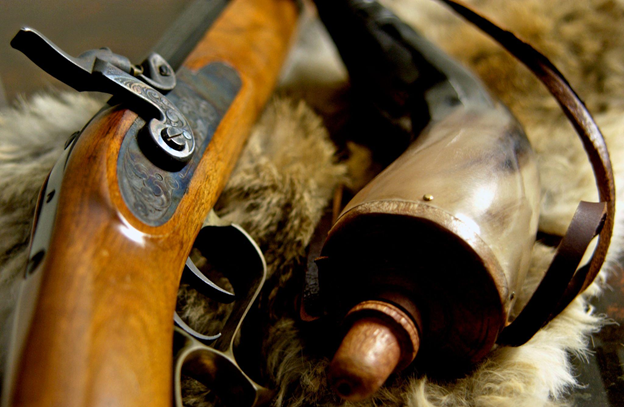
Muzzleloading is a bit different from shooting a modern breech-loading rifle. With the latter all you need are cartridges; the rifle does the rest.
With a muzzleloader you need to carry everything loose, which includes a lot of tools and muzzleloader accessories, and on top of that you need to know how to use them.
That’s one of the reasons we call your pack a “possibles bag.” In it you need to carry everything you could possibly need in the field.
That being said, here are the essential muzzleloader accessories, with some extras that are nice to have.
The Essentials
Start with the following muzzleloader accessories and build out your possibles bag as needed.
- Muzzleloader bullets or balls. Sidelock shooters tend to shoot patched round balls, but modern muzzleloader bullets are more accurate, especially at greater ranges. Either way you need them in your possibles bag.
- Patches (if you shoot round balls). Full-bore muzzleloader bullets will not require the use of a patch, but round balls will. Carry either some spare patches or some patch material, like pillow ticking, in your possibles bag.
- Flints or caps: If you shoot a caplock or an inline, you will need plenty of spare caps. For flintlock shooters, carry some spare flints, along with a brass flint hammer for keeping the flint in good shape.
- A powder flask and measure: Unless you shoot pre-measured muzzleloader pellets, you need a powder flask as well as a powder measure so you can accurately mete out your charges to the grain. This is one of the keys to both consistency and accuracy.
- A muzzleloader bullet starter: You don’t just need a muzzleloader ramrod. A muzzleloader bullet starter is also a necessity for getting the bullet started down the bore and doing so in a straight line, without the tip of the bullet skewed off to the side. Also, a synthetic bullet starter is better because it will last longer and be less likely to break.
- A muzzleloader ramrod: Any muzzleloader ramrod will work, but we sell three-piece muzzleloader ramrods that are made of aluminum and which are therefore much more durable and less likely to fail than either wood, ramrod or fiberglass ramrods. It’s also worth packing a spare because this is one of the most indispensable muzzleloader accessories of all. The ramrod isn’t just for loading; it’s for pulling balls, bullets and patches as well as for cleaning.
- A palm saver (if you use a traditional ramrod): If you use a ramrod that has a swollen end, you won’t need this, but if your ramrod is a traditional stick, a palm saver can help you get a better seat on your powder charge without the discomfort.
- Loading jags: Your loading jags should perfectly fit the tip of your bullet, or be rounded to fit your ball. The wrong tip will deform the bullet or ball, which can have quite an adverse affect on accuracy.
- A breech scraper: A breech scraper is a special ramrod accessory that can be used to scrape fouling off the breech face all the way at the back end of the barrel. These can not only be used for cleaning, but for keeping the line of ignition clean and clear, especially in the case of inline muzzleloaders.
- A ball or bullet puller: This is not an absolute necessity, but if you ever have a load that won’t go off, you may need to pull the ball or bullet before you can load the gun again. If you don’t keep one in your possibles bag you should definitely keep this muzzleloader accessory at home.
- A patch worm: These are also not absolute necessities but they are useful for retrieving patches and sabots that shear off and get stuck in the bore.
- A capper: Cappers eliminate the need for you to manually handle caps, which is ideal because oils in your skin can adversely affect performance and ignition consistency. Cappers also make it easier to prime the action.
- A cap holder: Dedicated cap holders are affordable and will protect your percussion caps from moisture and debris, ensuring a higher level of protection, helping to uphold greater consistency and reliability.
- A muzzleloader speed loader or a loading block: Sidelock shooters will want a loading block, which is basically a piece of wood that holds patched balls and which streamlines loading. Inline shooters may prefer muzzleloader speed loaders, which are essentially plastic tubes that hold a pre-measured charge and a bullet in a single container, or side by side. They also make it easier and faster to reload.
- A wedge key puller: Wedge key pullers are not absolutely necessary, but they do make it easier to pull the wedge key that secures the barrel in a sidelock, facilitating cleaning and maintenance.
- A pan primer (if you shoot a flinter): Flintlock shooters may benefit from a pan primer, which conveniently dispenses a few grains of powder to prime the pan; typically, they hold a finer grade of powder than that used for the main charge, as well. Most flintlock shooters prefer FFFFg for priming the pan.
- A vent pick (useful for all muzzleloaders): Vent picks can be used to clear the vent of a flintlock or the cone of a caplock; in some inlines they can also be used to keep the ignition channel clear.
- A pan brush (if you shoot a flinter): Some flintlock shooters carry a pan brush for cleaning away fouling in the pan from shot to shot, ensuring more consistent ignition.
- Barrel covers: Some muzzleloader hunters cover their muzzles (or their muzzle brakes) with plastic or rubber covers which keep out precipitation or other moisture. This helps ensure that the main charge remains dry in all conditions so it ignites when you need it to.
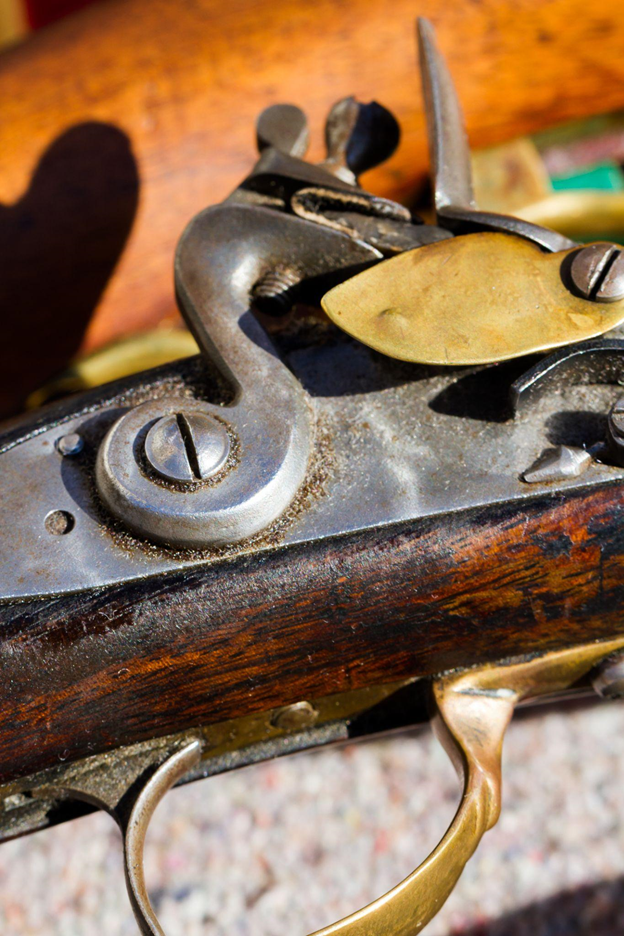
Get These and More Muzzleloader Accessories Here
While these are some of the most indispensable of all muzzleloading accessories, there are others you might want to carry. Take a look through our full collection and if you have any questions, get in touch with us. We will be more than happy to help.