

How to Prepare for a Prolonged Backcountry Hunting Trip
Oct 6th 2025

Getting ready for a multi-day hunting trip in the backcountry, and in another state at that, is far different from rolling out bed and spending the morning on the back 40.
Very different, in fact.
Here are some top tips on how to get ready for it, not just so you’re successful in your hunt, but so that you’re ready for it and don’t suffer and flounder through the whole thing.
Get in Shape
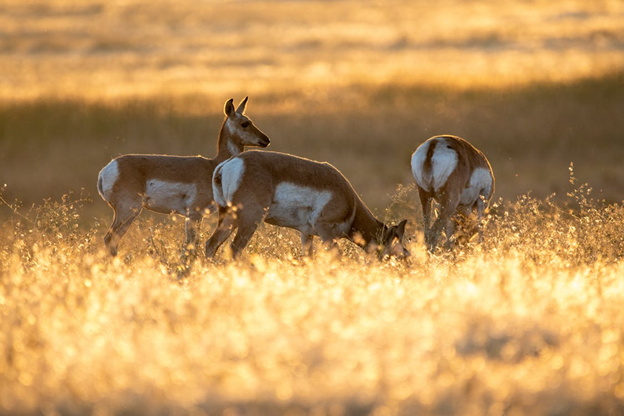
First things first, if you’re going after a species that is going to require you to cover a lot of ground, you absolutely must get in shape. If you’re visiting a western state and going after elk, pronghorn, mule deer, or sheep, don’t expect to be able to hoof it if you haven’t even walked a mile in the past year.
Hunts like these can have you covering a lot of ground and they will be extremely demanding of you, and your guide won’t appreciate it if you aren’t ready for what you signed up for.
Practice
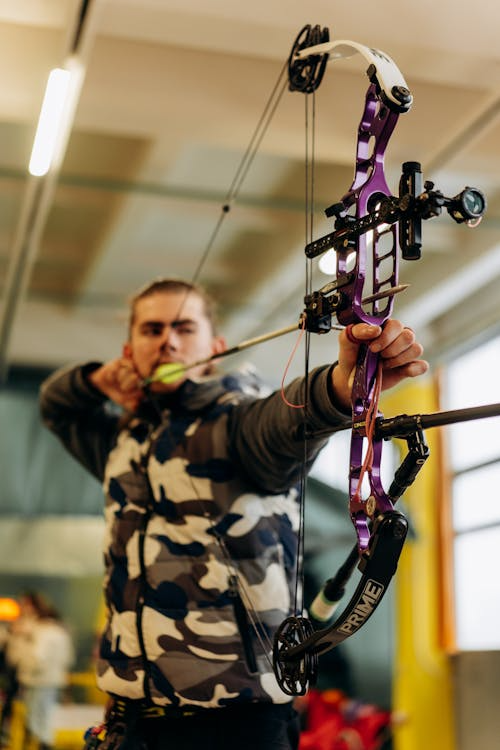
The first time you lay hands on your gun or bow case better not be the morning of the trip. You are not doing anyone a service if you haven’t been training in the offseason.
Make sure you spend a solid amount of time dialing in your groups with a bow, or making sure that your gun is zeroed with the ammunition you intend to be using on the hunt.
Failing to train before the trip is one of the worst things you can possibly do, and is borderline unethical.
Read the Maps and Do Some Digital Scouting
Once again, this hunt, if in another state, is unlikely to occur on land with which you’re familiar, even if you’ve been there before.
Therefore, spend some quality time reading the maps of the preserves or other land on which you’ll be hunting. If you can, spend some time on digital maps, too, either through the internet or a relevant app, and take a look at the terrain.
Scout out major features like ridges, valleys, rivers and watersheds that you’ll have to traverse or follow so you can theoretically form a pattern in your head before you’re actually out there.
Reread the Regulations
Remember, if you won’t be in your home state, the rules might be considerably different. If you’re going on a guided hunt, the guide can help with that and will be assuming some of the responsibility, but you won’t be making anything easier on yourself if you show up with something you aren’t legally allowed to carry as tackle for the hunt.
Anyway, you’ll be more effective and efficient and waste less time if you show up with suitable and of course legal hunting gear.
Remember, also, hunting regulations are not just about what you can carry. Sometimes they are about where you carry it, where and when you hunt, what you are hunting for, and how you use your gear.
Prepare with Appropriate Hunting Gear
If you’re going gobbler hunting in another state, you’re going to want a variety of different calls, including box, slate or pot, and diaphragm calls. You want a variety not just because it might be required by law, but because different calls offer different relative advantages based on the behavior of the birds and the hunting conditions.
This is just an example, but the point carries over. You need to make sure you have what you need before you land, physically and conceptually, because once you’re away from home port, there won’t be any way for you to get what you need.
Make a checklist and double-check before you leave to ensure you have everything you need, and spares of what’s important.
Make Sure You Have Suitable Clothing and Footwear
This is one of the most important items on this entire list. It is critically important that you research the area, look into the weather forecast, and prepare with appropriate clothing and footwear.
Going on a western hunt in the winter is no joke and temperatures can be lethally cold. They can also swing very violently, especially in upland areas, such as in the mountains. That’s not to say anything of snow or wind, which can make conditions even more unforgiving. Make sure you are prepared with clothing that can keep you warm given the conditions. That includes gloves and headwear.
Footwear is another thing. You need boots that will not just keep you warm, but dry, and they should also support you. Hot spots are not something you want to deal with on a prolonged backcountry hunt. Be comfortable with the boots you will be wearing, before you get on the trail.

Bring Some of the Best Freeze Dried Meals
Also, make sure that between you and your guide, you bring along some basic camp cooking essentials. You might also want to be prepared with some of the best freeze dried meals out there, simply because they are light and easy to prepare.
Peak Refuel meals are among the best freeze dried meals out there, not just because they are lightweight, but because they use little water, and can be prepared so easily, and because they are packed with protein and calories, and surprisingly satisfying. Shop our collection via the previous link and don’t forget drinks and dessert. The more comfortable and well-fed you are, the sharper will be your senses on the trail.
Be Prepared for Contingencies and Emergencies
Lastly, always make sure you have a lifeline, even if you are way out there. Never go anywhere without basic first aid essentials (and know how to use them) and make sure you bring along a satellite phone or radio or EPIRB, just in case of emergencies.
Gear Up with a Little Help from Anarchy Outdoors
Got a backcountry hunt coming up this fall or winter? Let us help you get prepared. Upgrade your gun with custom parts, stock up on some of the best freeze dried meals, or invest in some proper winter wear from UF Pro. Shop our collections and get in touch with us if you have any questions.